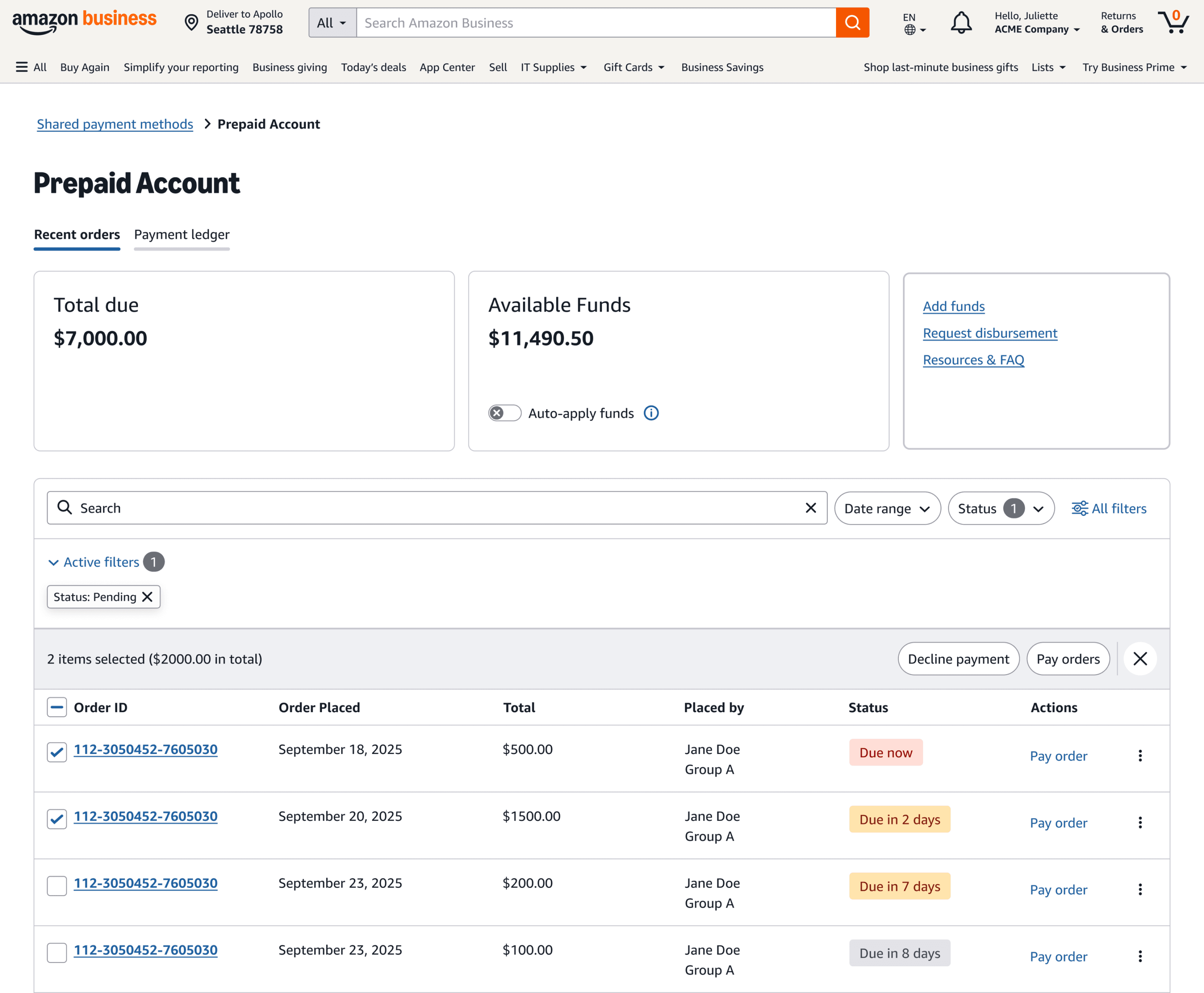
A new way to pay
Project specs
Amazon Business - new payment method
UX Designer
Worked with: PM, developers, legal, VX, UX, and sister teams
Business owners need to buy gift cards in bulk. But what if there was no safe way to pay for it? That’s pretty bad for both Amazon and its customers. And it was the reality... until now.
I designed a new payment method, including its full user flow (onboarding, dashboard, checkout), to enable $270 million in high-value gift card orders, bypass credit card limits, and reduce fraud.
PMs moved quickly. Engineers were ready. The deadline was tight. I knew it was time to get scrappy - and it worked. Here’s how.
Sept - Oct 2025
Role
Timeline
Tasks
Tools
XF collaboration
User research
Design reviews
Moderated interviews
Figma
Maze
Quip

Imagine a piggy bank. Except, it breaks easily.
Businesses need gift cards in bulk. They’re used to incentivize employees, reward research participants, and build relationships with customers. However, current payment methods on Amazon make this difficult to do.
Problem
No way to pay
Credit cards have limits. You can’t pay by invoice either - that would be fraud. Since gift cards are a form of currency, buying them with money that doesn’t yet exist is... sketchy.
A bad actor can order $1M worth of gift cards, using their business account, without notifying their manager. That’s an expensive problem. Due to these fraud concerns, the current payment methods are similar to piggy banks that break easily.
Business employees want gift cards in bulk. Great. But how can they safely pay for it?
Context

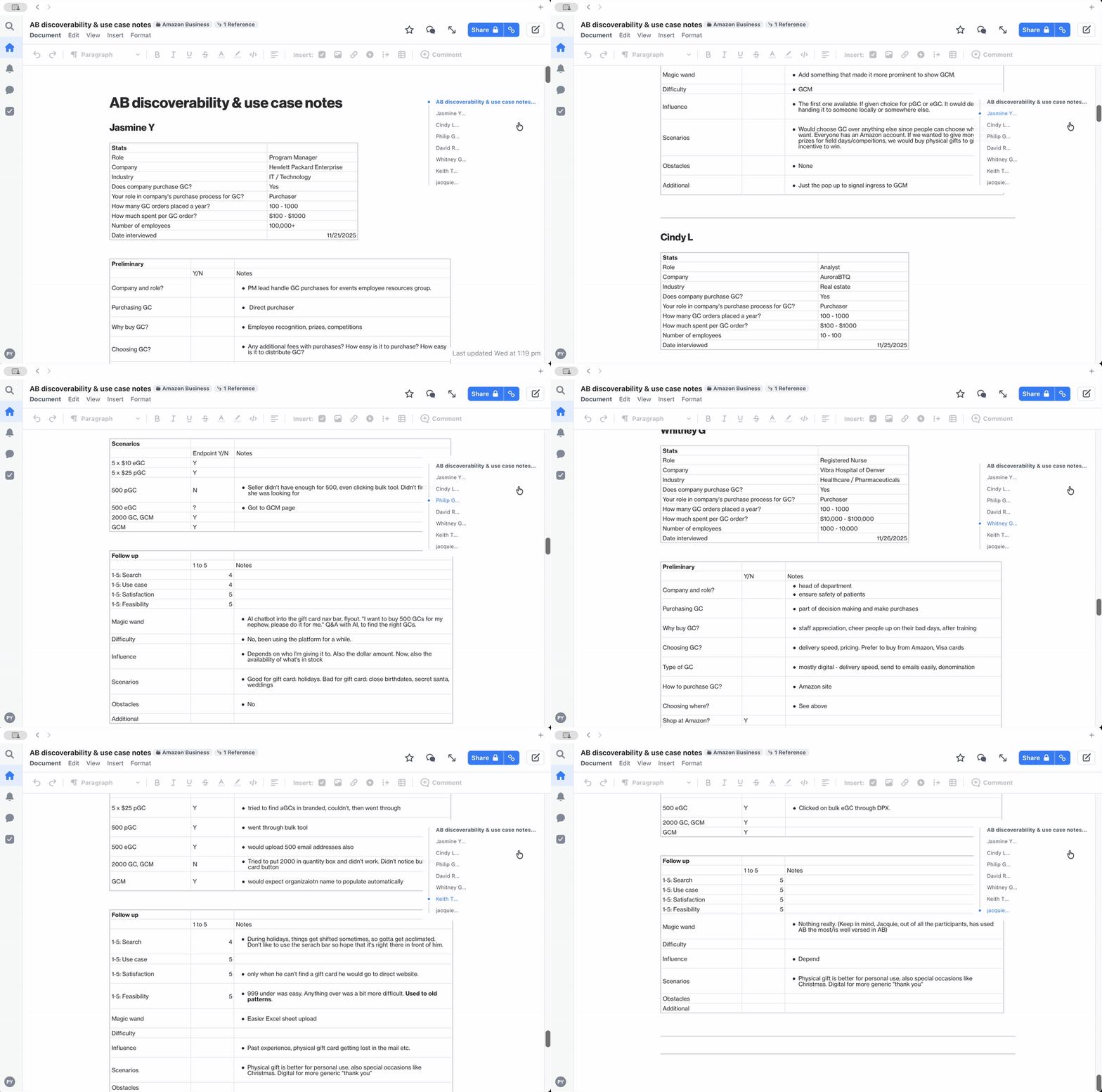
Let’s take field notes
What’s up, customers?
With any project, I start with questions.
Why do customers need gift cards in bulk?
How would the solution fit with existing products?
Can I do any internal research now?
The product was early on the roadmap. We had to move quick. I got creative with a limited research budget - why not interview the EA from next door about her B2B needs? After all, internal research > no research.
With data, our goal became clearer and clearer. Whenever there were opportunities to conduct research, I pounced.
Now, I lead 2 studies: one to uncover B2B pain points and another to gauge Gen-Z’s response to AI. Both will inform not only design decisions, but what to build in the first place.
Research
Research
18 human interviews
Raquel (product manager)
Me
Phoebe, the design review is in a month. We need x, y, z features.
Why those features?


Hello, PMs. It’s me again.
I rallied partners early. I wedged my feet in the doors of product meetings. I iterated with engineers directly.
The magic happens in communication. Yes, I advocated with user anecdotes and data. But, I also studied what mattered from a product and implementation POV. Collaboration happened seamlessly once we all spoke the same language.
XF collab
Enable high-value gift card purchases
In a nutshell, the goal was to enable Amazon Business customers to buy gift cards in bulk in order to address their gifting demands.
What this means: create a new payment method that allows admin to manage gift card orders. This includes an interactive desktop and mobile portal, an onboarding flow, and a refund flow, all in harmony with what already exists on Amazon Business.
Goal

Phoebe getting buy-in,
one hand gesture at a time.

Design process
Only if it made sense.
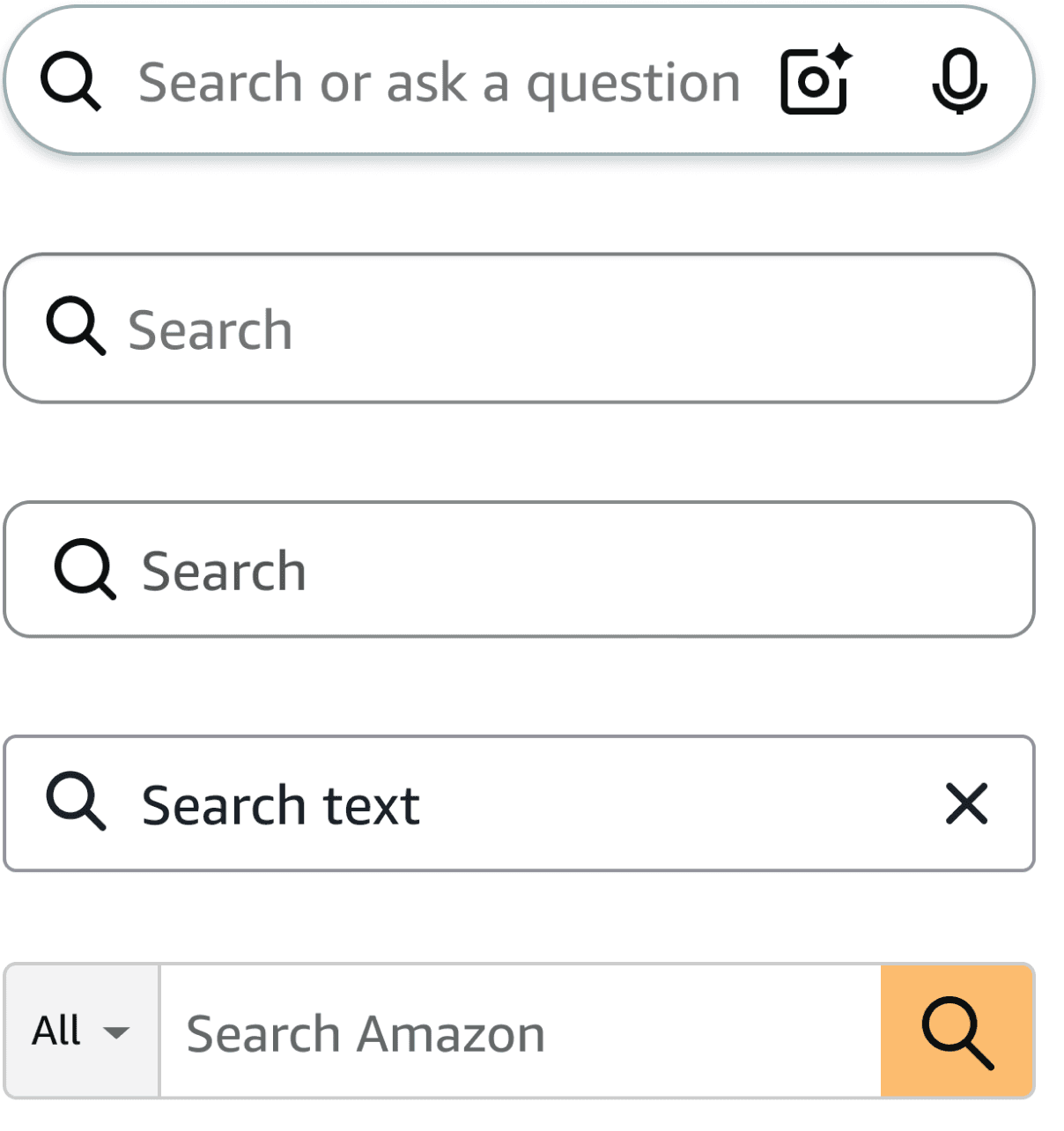
One challenge was to reach parity with other Amazon products. This made sense at first - familiarity decreases friction.
However, those existing products often used outdated design systems, poor IA, and strange flows. To combat this, I reached out to sister teams that owned these products. Together, we combined existing systems to ensure both product parity and a more sensible UX.
Product parity?
Q:
1 search bar,
5 design systems,
all within Amazon.
Complex nomenclature?
Q:
Let’s simplify with data.
Complex financial lingo seeped through every crevice of the initial designs. Legal constraints didn’t help either. I simplified nomenclature without sacrificing accuracy.
Luckily, I’ve worked this muscle before. In every YouTube video I make, I explain technical concepts to a mass audience.
With UX projects, I couple this explainer skill with hard data gathered through user surveys, feedback from technical partners, card sorting, and meta-analyses of current nomenclature.
ideal testing
Costly
Frugal
More data
Less data
Here it comes
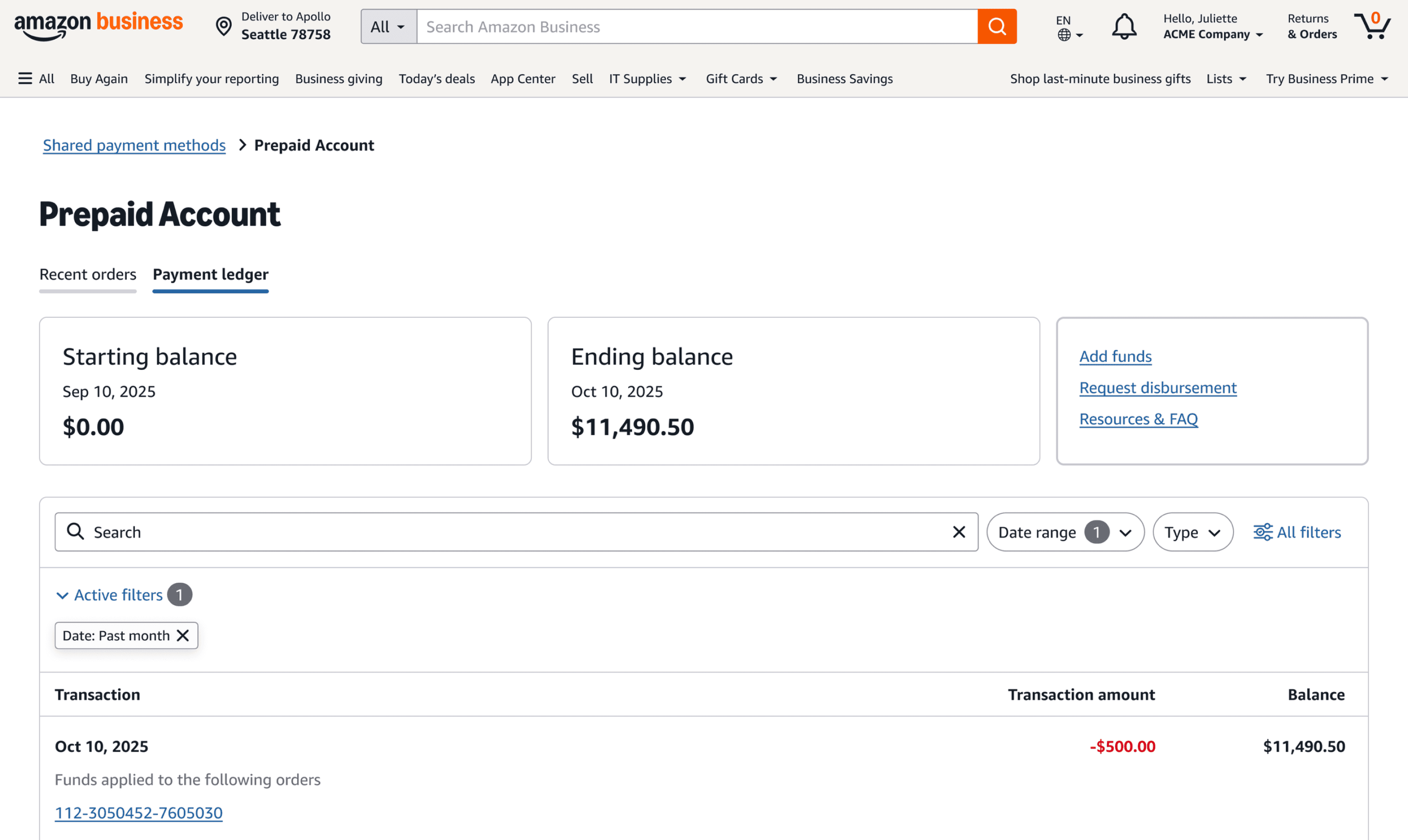
1 - Contextual CTA
2 - Clear info hierarchy
3 - Visual cues
Design solution
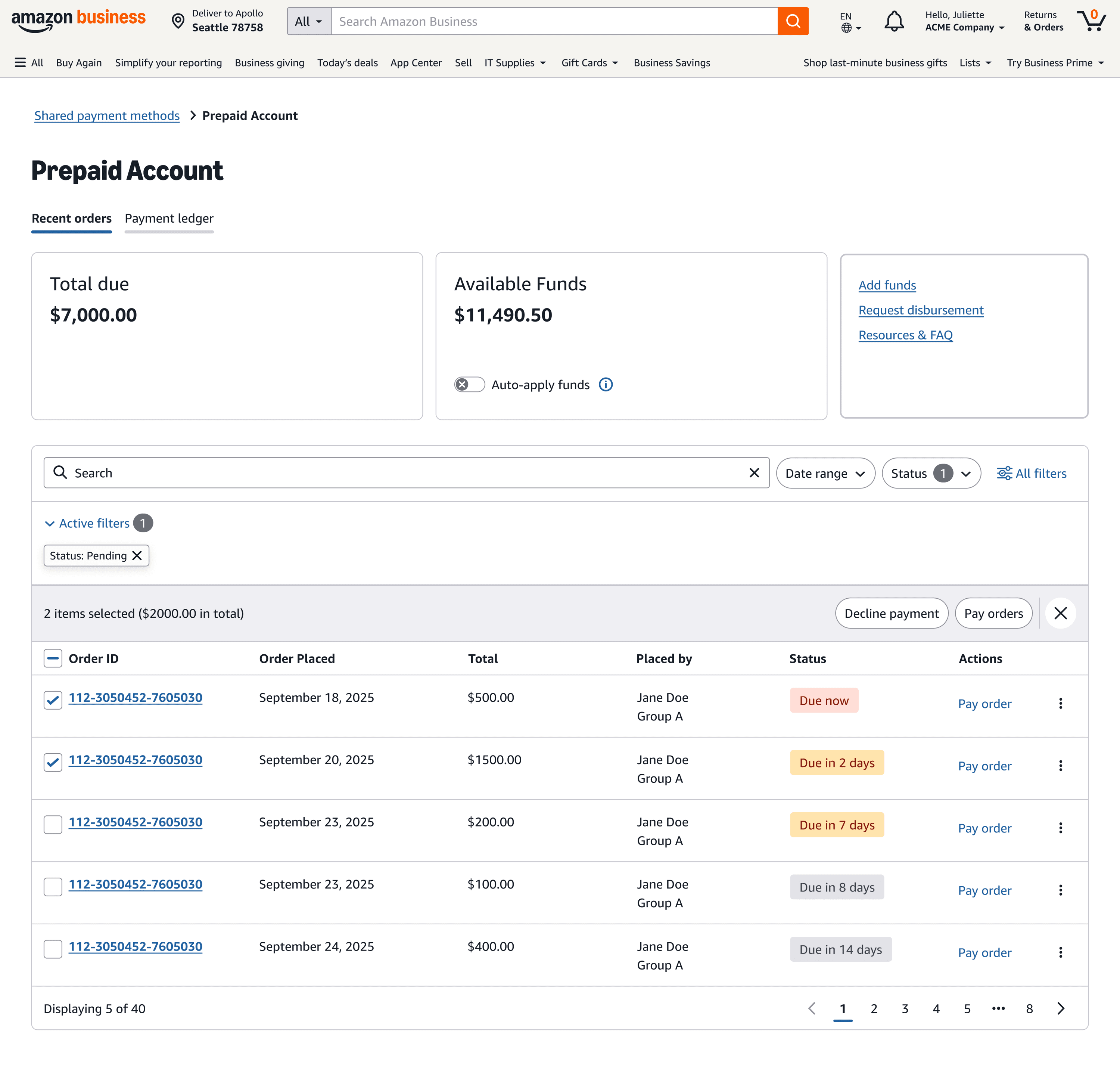
P0 CTA
Pay order
Pay order
Single or bulk action
Critical info
Color coded by date range
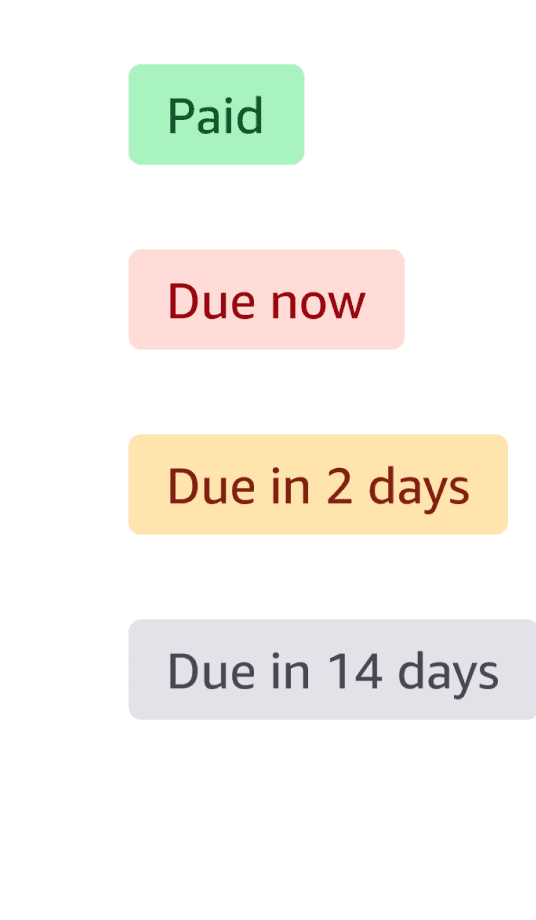
Transaction
Progressive disclosure
Critical info
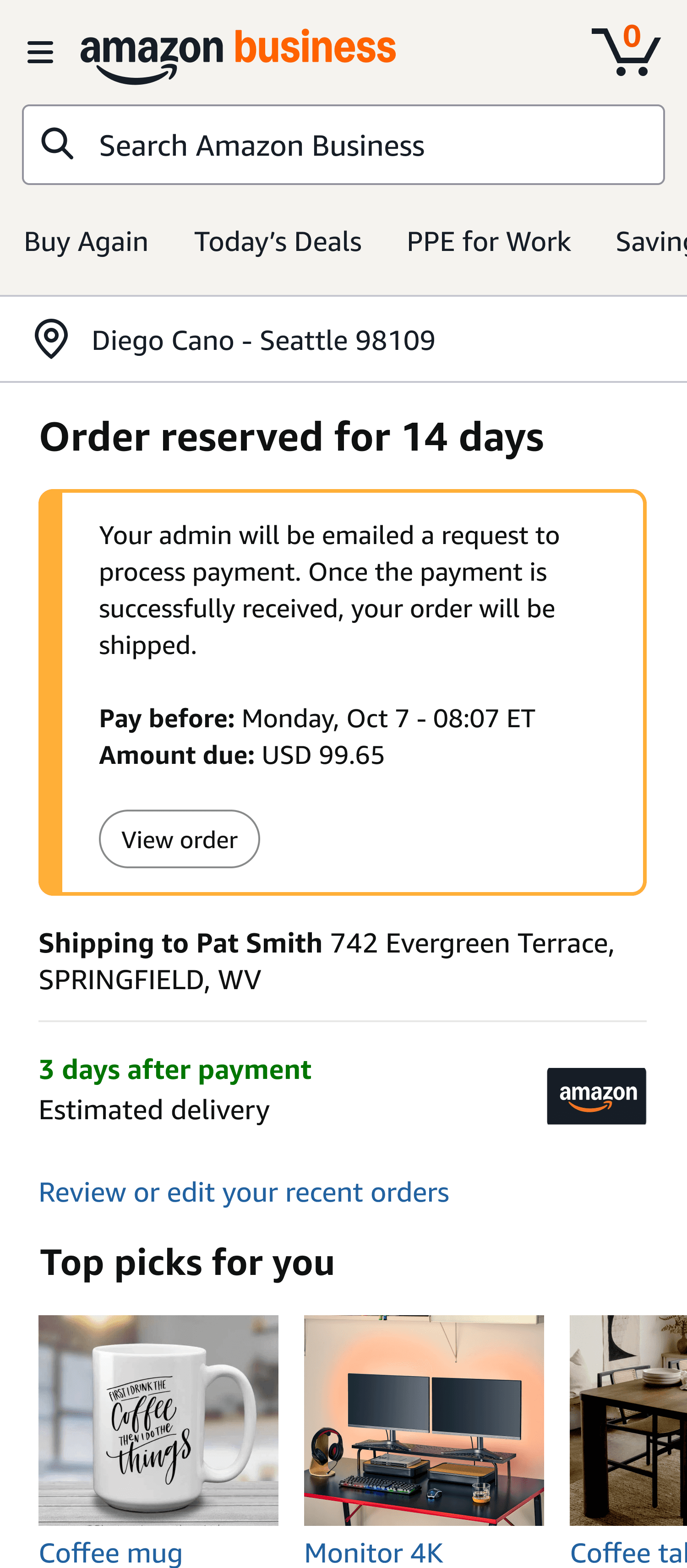
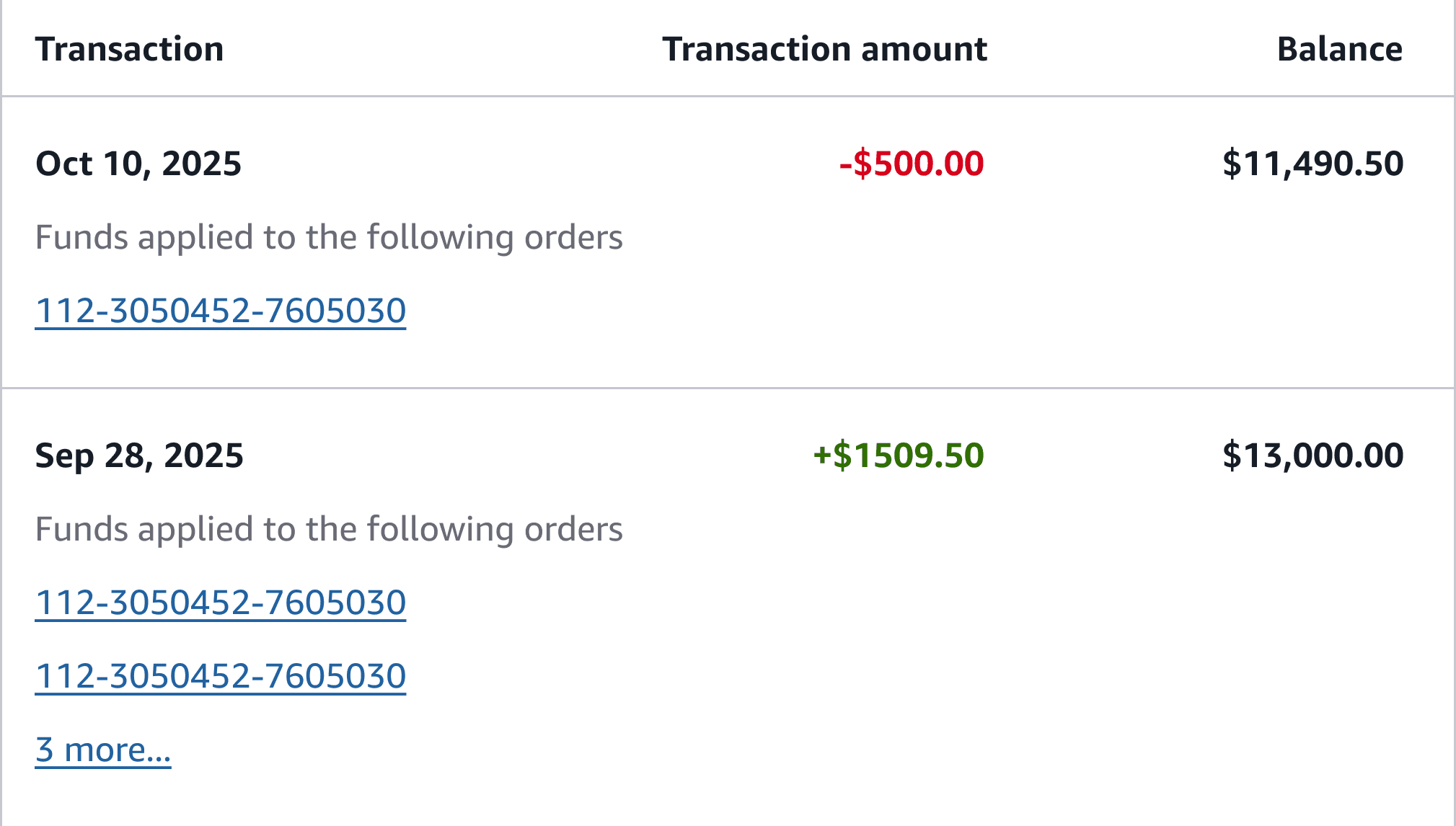
Expiry date
Mobile version
CTA
Introducing, an admin-controlled payment method
aka, a piggy bank with a gatekeeper

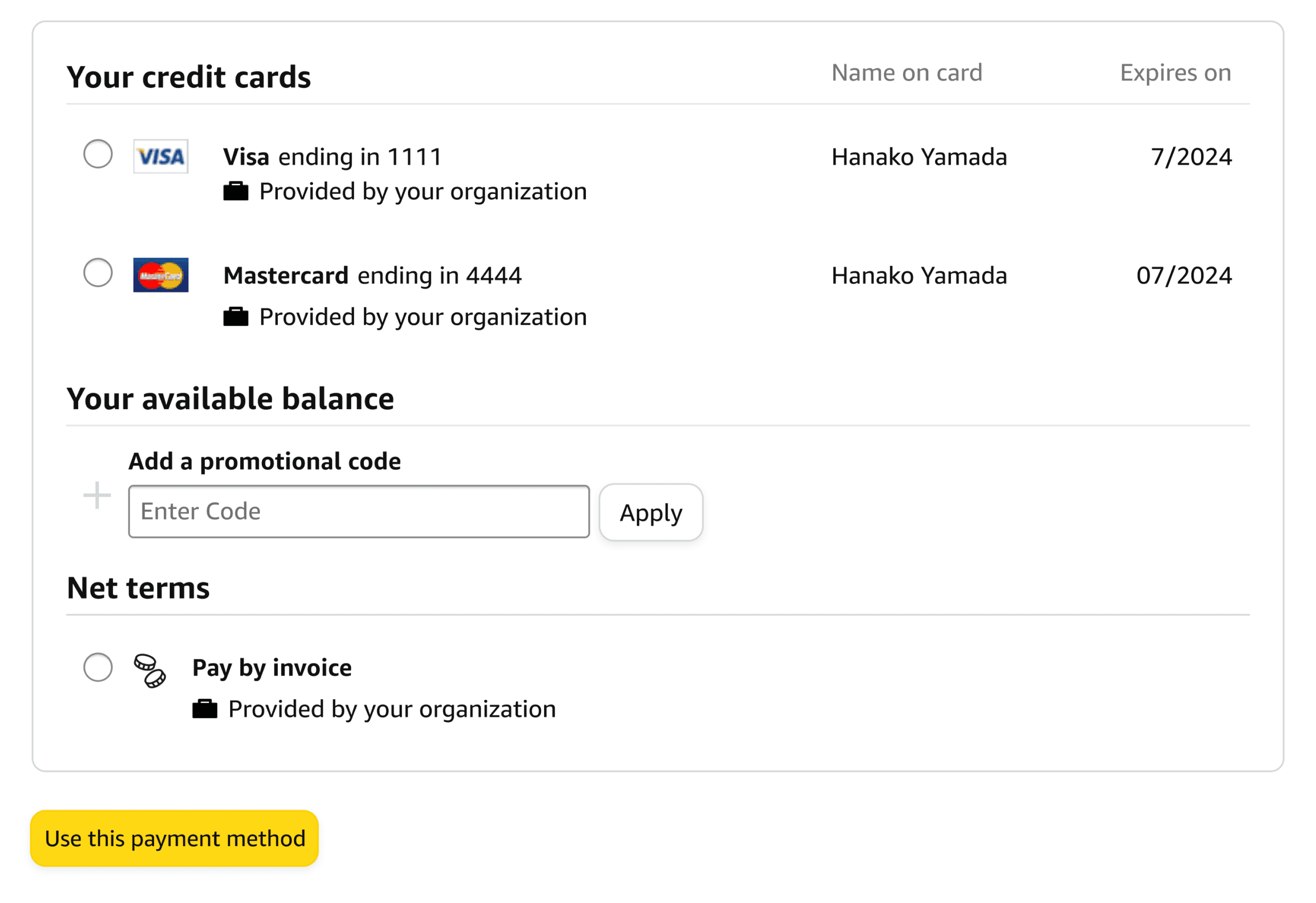
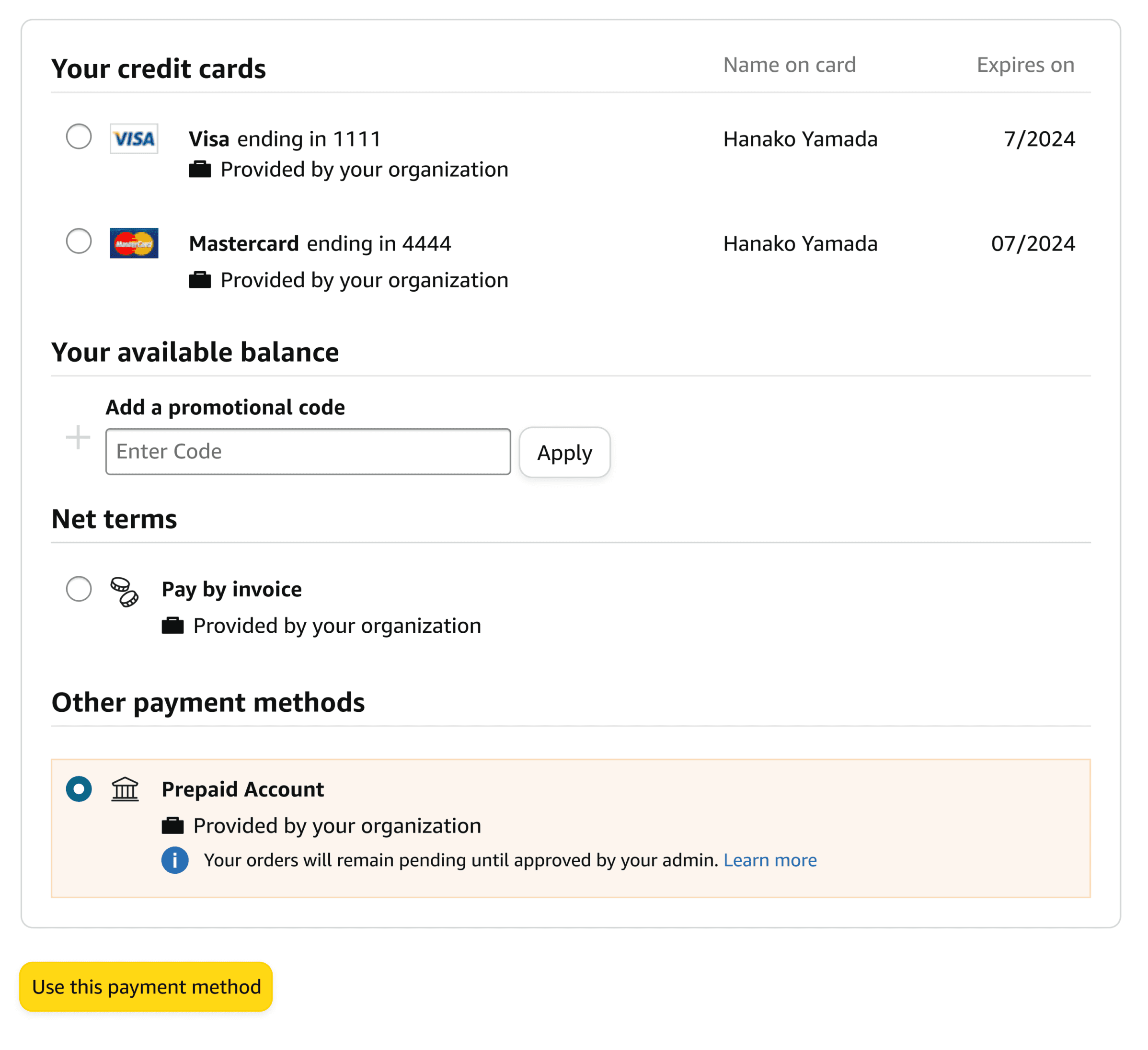
Before
It’s time to checkout.
After
Results
Served purchasing needs.
Resolved credit limit.
Improved experience.
$270M
$875M
Increased gift card sales
Credit limit resolved
88%
Cross-category sales



On scope creep
If uncurbed, ambitious features invite infinite scope creep. To managed this, I determined the “happy path” early on. Can users onboard successfully? Can they see their orders at one glance? Involving key stakeholders at this stage is critical. Most of the design happens before Figma is even opened.
The whole is seen from afar. I dove into product roadmaps and cross-referenced what our users desperately needed. Research became the backbone for not only feature-specific design decisions, but helping PMs figure out what to build in the first place.
Lessons
Test, iterate, implement, repeat.
Next steps
On product strategy
I didn't just handle one big project; I was juggling four. This meant a high-speed feature launch, a crucial accessibility overhaul, building the design system, and constant user testing—all at once. That intense workload taught me the value of ruthless prioritization. I focused every single effort only on features that delivered the highest, most valuable impact for our users.
Despite the slowdown caused by layoffs, I still tread forward. I am currently conducting usability tests, driving design iterations, and tying knots for immediate hand-off once development capacity returns.
On prioritization
Testimonials
POV: working with Phoebe


Design manager - Amazon
David Lesh
Phoebe is a very thoughtful designer who seeks to deeply understand users and how they intersect with technology. She is always willing to ask the tough questions to help drive insights that make meaningful impacts to the outcomes of the team.